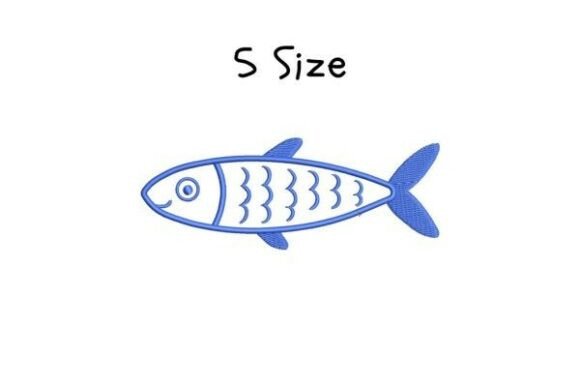
Sardine Machine Embroidery Design Review
As an embroidery designer who has spent years translating brand visions into tangible stitched assets, I approach every new machine embroidery design with a critical eye. The market is flooded with generic motifs, but finding a versatile asset that works for serious small business merch requires scrutiny. Today, I am reviewing the Sardine Machine Embroidery Design, a digital file marketed as a flexible option for various applications. With its promise of five sizes and instant download availability, this embroidery file claims to be ready for any product or fabric. However, before you integrate it into your commercial line, we need to dissect how it performs in real-world scenarios like branded patches, staff uniforms, and boutique merchandise.
First Impressions: Aesthetic and Brand Potential
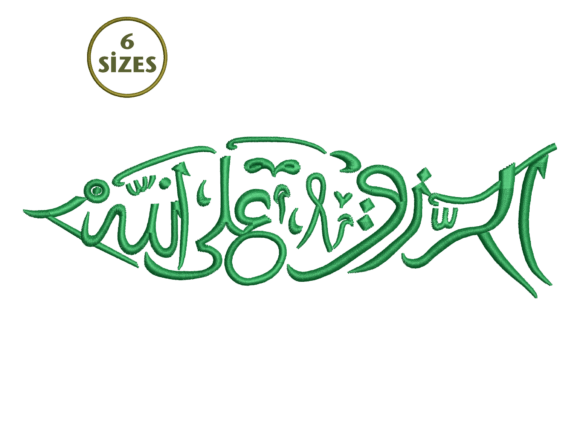
At first glance, the Sardine motif offers a distinct visual personality. It straddles the line between playful and rustic, making it an intriguing candidate for specific brand identities. Unlike abstract geometric patterns, a Fish design carries organic weight and character. For a coastal café, a sustainable seafood delivery service, a pet food brand, or a handmade artisan shop, this design immediately communicates a connection to nature and freshness. It feels less like a corporate logo and more like a badge of authenticity.
The description notes that the design can be embroidered on any product, which is a bold claim. In my experience, the versatility of a digital embroidery file often depends on how well the stitch path handles scaling. The inclusion of five sizes suggests the creator has considered different use cases, from tiny sleeve accents to larger back-of-shirt statements. This scalability is crucial for small business merch where you might need the same logo on a cap front and a large tote bag without losing definition. The aesthetic leans towards a modern classic look, suitable for businesses aiming for a premium yet approachable vibe.
Performance in Real Business Applications
When evaluating the Sardine Machine Embroidery Design for commercial use, I visualize several high-value applications. One of the most effective uses for this type of motif is as an embroidered patch. Patches are excellent for adding value to denim jackets, canvas bags, or hats. Because the sardine shape is generally compact and recognizable, it should hold up well when cut out and sewn onto garments. This allows for a modular branding strategy where customers can customize their own gear, a popular trend among Etsy sellers and craft brands.
For custom apparel, such as staff aprons or work shirts, the design serves as a subtle yet memorable identifier. Imagine a team at a trendy bakery or florist wearing aprons with a small, tasteful sardine emblem on the chest pocket. It breaks the monotony of plain text logos and adds a layer of storytelling to the uniform. Similarly, cap embroidery benefits from designs that are not overly wide. If the sardine is oriented vertically or diagonally, it could fit perfectly on a curved cap panel, avoiding the distortion that often plagues wider horizontal designs.
The potential for tote bag design is also significant. Tote bags act as walking billboards for local businesses. A clean, flat finish on a sturdy cotton tote ensures the design remains visible after repeated washing. Furthermore, using this Embroidery asset on product packaging accents—like a label on a jar of artisanal sauce or a hang tag on a handmade item—elevates the perceived value of the finished product. It signals quality and attention to detail, key factors in building customer trust and recognition.
Critical Considerations for Production
While the versatility is appealing, there are specific areas where caution is required. The product description includes a warning: "Please ensure proper stabilization is used to achieve a beautiful and flat finish." As a professional, I cannot stress this enough. Without the right stabilizer, even the best design will pucker, especially on textured fabrics like denim or heavy canvas. If you plan to use this for apron embroidery or workwear, the fabric thickness demands a robust backing to prevent thread breakage and maintain the crisp edges of the fish scales and fins.
Another area requiring careful testing is the smallest size option. When a design is scaled down to fit a tiny patch or a buttonhole, stitch density becomes a major factor. High density in a small space can lead to stiff, bulky results that feel uncomfortable against the skin. You must test the smallest version on a scrap piece of your actual fabric to ensure the details do not merge into a solid blob. Additionally, if you are working with dark uniforms, the contrast of the thread colors will be vital. A light-colored sardine on a navy background looks sharp, but a similar tone-on-tone approach might get lost unless the stitching technique is flawless.
Curved surfaces present another challenge. While caps are mentioned as a use case, the curvature of a baseball cap front can distort the geometry of the fish if the design was not specifically digitized with underlay compensation for curves. Always check the hoop size requirements against your equipment. If the largest size exceeds your hoop capacity, you may need to split the design, which introduces alignment risks. Finally, consider the frequency of washing. Items like aprons and work shirts endure harsh conditions; ensure the stitch count and thread type chosen can withstand industrial laundering without fraying.
Strategic Integration for Brand Identity
Incorporating the Sardine Machine Embroidery Design into your brand ecosystem goes beyond just adding a picture to a shirt. It affects your overall brand identity. Consistency is key; if you use this design, it should appear across multiple touchpoints—caps, totes, labels, and event merch—to create a cohesive visual language. This repetition builds buyer engagement and makes your brand instantly recognizable in a crowded marketplace.
Before committing to a full production run, I recommend creating a printable mockup to show clients or stakeholders how the design looks in context. Compare it beside other design assets you already own to ensure it complements rather than clashes with your existing palette. Also, verify the commercial licensing terms. While the product mentions it is an instant download, always confirm that the license covers commercial embroidery for resale items. Using a design without the proper rights can jeopardize your business reputation and legal standing.
Designer's Checklist for Success
- Test in Black and White: Start with a monochrome run to check the structure and flow of the stitches before adding color complexity.
- Verify Patch Sizing: Ensure the smallest size retains clarity when printed as a standalone patch.
- Inspect Spacing: Check that there is enough room between the fish and any accompanying text to avoid crowding.
- Confirm Hoop Size: Match the design dimensions to your machine's capabilities to prevent misalignment.
- Use Proper Stabilizer: Follow the warning strictly; invest in high-quality tear-away or cut-away stabilizers based on your fabric texture.
- Create Client Mockups: Use digital tools to visualize the final look on your specific products before stitching.
- Check Licensing: Ensure you have the right to sell items featuring this machine embroidery design.
The Sardine Machine Embroidery Design offers a charming and practical solution for businesses looking to add a unique, organic element to their merchandise. By respecting the technical requirements of stabilization and scaling, you can transform this simple fish motif into a powerful tool for handmade product presentation and brand elevation. Whether for a boutique, a creative studio, or a local café, this design has the potential to become a signature mark of quality when executed with precision.