Living for Christ Embroidery Design Review
As a seasoned embroidery designer who has spent countless weekends setting up booths at local craft fairs and managing a bustling handmade shop, I know that the difference between a product gathering dust and one flying off the table often comes down to design clarity and emotional resonance. Today, I am putting the Living for Christ Embroidery Design through its paces. This digital download promises to elevate projects with a unique, handcrafted touch, but does it hold up under the bright lights of a market stall? For sellers in the Religion category looking to expand their catalog, this review breaks down exactly how this machine embroidery design performs in the real world.
First Impressions: A Bold Statement for Faithful Customers
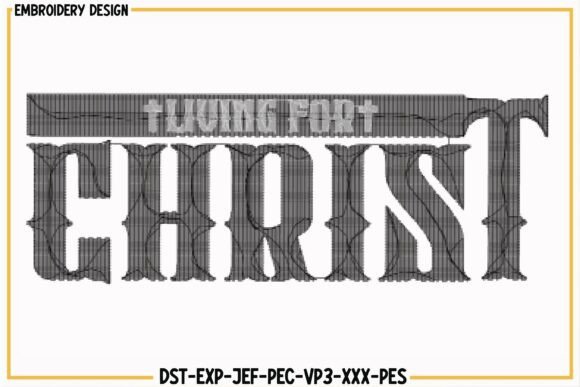
When I first loaded the Living for Christ Embroidery Design onto my screen, the aesthetic immediately struck me as modern yet deeply traditional. It avoids the cluttered, overly decorative styles that can sometimes date a handmade product quickly. Instead, it feels clean and intentional. The typography and layout suggest a design that is meant to be read from a distance, which is crucial for a busy craft fair environment. In the world of Religion-themed crafts, customers are often looking for something that speaks clearly to their values without being visually overwhelming. This design hits that sweet spot, offering a premium feel that suggests quality craftsmanship rather than a mass-produced item.
For an Etsy seller or boutique maker, the visual appeal of this design is a significant asset. It photographs beautifully, especially on neutral fabrics where the thread colors can pop. If you are creating printable mockups for your online listings, this design provides a strong focal point that draws the eye immediately. It conveys a sense of devotion and style simultaneously, making it versatile enough for both personal gifts and commercial embroidery products intended for resale.
Product Placement: Where Does This Design Shine?
The true test of any embroidery file is its versatility across different substrates. Having prepared tables with everything from tote bags to pillow covers, I have identified specific applications where the Living for Christ Embroidery Design excels.
- Tote Bags and Market Bags: This is arguably the strongest application. A tote bag serves as a walking billboard for your booth. The design's legibility ensures that passersby can read the message instantly. On a canvas tote, the Living for Christ Embroidery Design adds a layer of sophistication that elevates a simple utility item into a cherished accessory.
- Apron Embroidery and Tea Towel Embroidery: Kitchen textiles are perennial favorites at handmade markets. Placing this design on an apron pocket or the corner of a tea towel creates a warm, welcoming vibe. It transforms a functional kitchen item into a statement piece for the home. Just ensure the fabric texture isn't too thick, as this can affect stitch definition.
- Embroidered Patches and Caps: For those interested in smaller accessories, this design works well as a patch sewn onto denim jackets or hats. However, curved surfaces like caps require careful attention to hoop size and stabilizer choice to prevent puckering. The design's structure holds up well, but testing is essential.
- Pillow Covers and Home Decor: As a central motif on a pillow cover, the design commands attention. It fits perfectly within the farmhouse and rustic decor trends that dominate many home goods sections at craft fairs.
Practical Production Notes for Small Shop Owners
While the potential for this design is high, practical production challenges must be addressed to ensure a flawless finished product. As a professional, I always advise my fellow makers to prioritize quality control over speed, especially when dealing with text-heavy designs.
Stitch Density and Fabric Texture
One area to watch closely is the stitch density. High-density areas can cause fabric to pucker, particularly on lighter materials like linen or thin cotton used for tea towels. Before committing to a full batch of production, run a test on scrap fabric that matches your final product material. Check the back of the embroidery; if the threads are too tight, the fabric will look distorted. Adjusting the tension and using the correct stabilizer is non-negotiable here. For textured towels, consider increasing the hoop size slightly to accommodate the weave, ensuring the design sits flat.
Legibility and Scale
The phrase "Living for Christ" relies on clear lettering. If you attempt to shrink this design too much for small pouches or keychains, the tiny details may become illegible. Always confirm the minimum recommended hoop size before scaling down. In a crowded booth, a customer needs to read the message from three feet away. If the text blurs, the emotional impact is lost. Stick to medium-to-large scales for the best results.
Thread Contrast and Color Selection
Color choice dramatically affects how the design sells. On dark fabric, you will need a light-colored thread with high contrast to ensure visibility. Conversely, white thread on a white background will disappear unless you use a backing or a very specific stitching technique. Experiment with thread colors during your mockup phase. A vibrant gold or deep red might convey a more festive or regal tone, while classic black or navy offers a timeless look.
Selling Strategy: From Booth to Browser
For the creative entrepreneur, the Living for Christ Embroidery Design offers a unique opportunity to build brand consistency. By using this design across multiple product lines—such as matching tote bags and aprons—you create a cohesive collection that encourages customers to buy more than one item. This strategy increases your average order value significantly.
In terms of buyer engagement, this design taps into a dedicated niche. People who purchase Religion-themed items are often looking for meaningful gifts or ways to express their faith publicly. When they see a high-quality, hand-embroidered version of this message, they perceive higher value compared to a printed t-shirt. This perception allows you to price your handmade product at a premium. Ensure your Etsy listings highlight the "handcrafted" nature of the work, emphasizing the time and skill involved in producing each piece.
Final Checklist for Commercial Success
Before you list these items for sale, run through this final checklist to protect your business and reputation:
- Verify Licensing: Confirm that the digital download includes a commercial license for selling finished products. Never assume you can sell items made from a free or personal-use file.
- Create Real Mockups: Avoid relying solely on computer-generated images. Photograph actual embroidered samples on the fabrics you intend to use. Authentic photos build trust with buyers.
- Test Stabilizers: Different fabrics require different stabilizers. Test wash and tear options to ensure the design survives laundering without shifting.
- Check Spacing: Ensure there is adequate spacing between the design and the edges of your fabric to prevent fraying or cutting off parts of the embroidery.
- Inspect Thread Colors: Match your thread to your fabric carefully. Mismatched colors can make a professional design look amateurish.
The Living for Christ Embroidery Design is a robust asset for any embroidery business owner targeting the faith-based market. With its clear message and adaptable style, it has the potential to become a staple in your craft fair inventory. By paying attention to the technical details of stitch density, fabric choice, and presentation, you can turn this digital file into a line of beautiful, profitable handmade products that resonate deeply with your customers.