Bunny Boba Tea Embroidery Design Review
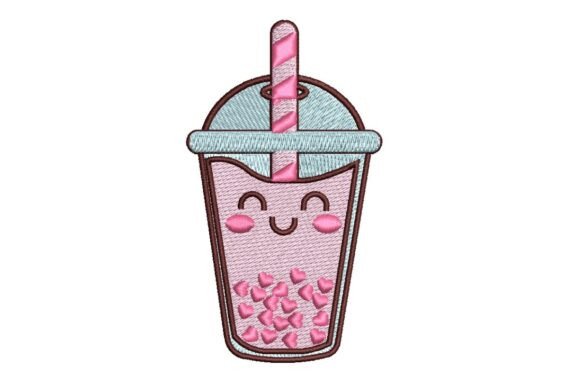
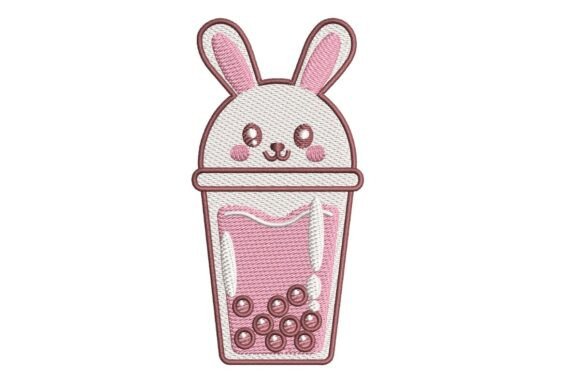
As a professional embroidery designer who has spent years translating digital concepts into tangible threads for small business owners, I approach every new machine embroidery design with a critical eye. The market is flooded with generic motifs, but occasionally, a design arrives that perfectly captures the current cultural zeitgeist while remaining commercially viable. Today, I am reviewing the Bunny Boba Tea Embroidery. This specific motif promises "double the cuteness" with its ultra-kawaii aesthetic, featuring a sweet pink bubble tea topped with a charming bunny-eared dome lid. Before you purchase this embroidery file for your next production run, let's break down exactly how it performs in a real-world business environment.
First Impressions: Aesthetic and Brand Personality
When I first loaded the preview of the Bunny Boba Tea Embroidery, the immediate impression was one of playful modernity. In the world of brand identity, this design leans heavily into the "friendly" and "approachable" quadrant. It is not corporate or stern; rather, it screams community, youth culture, and handmade charm. For businesses operating in the café, boutique, or creative studio sectors, this motif acts as an instant conversation starter. The combination of the trendy boba tea element with the universally loved bunny ears creates a visual hook that is both cute and distinct.
However, the question remains: does this level of whimsy translate to professionalism? For a bakery, a florist, or a pet brand, the answer is a resounding yes. The design feels premium because of its clear lines and balanced composition, yet it retains a rustic, handcrafted vibe that customers associate with high-quality, independent brands. If your goal is to appear stiff or traditional, this is not the right asset. But if you want to signal that your shop is fun, inclusive, and up-to-date with trends, the Bunny Boba Tea Embroidery is a powerful tool for customer engagement.
Real-World Applications for Small Business Merch
The true test of any digital embroidery file is its versatility across different product categories. Based on the description and visual structure, here is how I would deploy this design for small business merch:
- Embroidered Patches: This is arguably the strongest use case. The defined shape of the cup and the dome lid makes it perfect for creating a standalone patch. These can be sewn onto denim jackets, tote bags, or used as collectible items for loyalty programs.
- Apron Embroidery: For staff uniforms in a café or bakery, placing this motif on the bib of an apron adds a delightful touch without overwhelming the wearer. It serves as a subtle branding element that guests will photograph and share on social media.
- Cap Embroidery: While caps have limited space, the vertical nature of the boba cup works well on the front panel of a baseball cap. It creates a focal point that stands out even from a distance.
- Tote Bag Design: On canvas tote bags, which are staples for eco-friendly boutiques, this design can be scaled up significantly. It becomes a statement piece that turns a simple bag into a fashion accessory.
- Product Packaging Accents: Imagine a custom fabric tag or a small embroidered label attached to a jar of loose leaf Tea or a box of artisanal cookies. This elevates the perceived value of the finished product immediately.
For Etsy sellers and craft business owners, this design offers a unique selling proposition. Unlike printed graphics, the texture of the stitch density and the raised dimension of the thread add a tactile quality that justifies higher price points. It transforms standard custom apparel into a collectible item.
Critical Considerations for Production
While the Bunny Boba Tea Embroidery is visually appealing, a seasoned designer knows that execution is everything. There are specific scenarios where this design requires careful handling to ensure the final result meets commercial standards.
Size and Detail Constraints
Do not attempt to shrink this design too aggressively. The "bunny-eared dome lid" contains delicate curves. If you scale the design down to fit a tiny button or a very small patch, those details may blur together, resulting in a muddy appearance. Always check the minimum recommended size before committing to a bulk order. Similarly, avoid using this on highly curved surfaces like the side of a tight-fitting hat unless you are confident in your digitizing adjustments, as the curve can distort the straight lines of the cup.
Fabric and Stabilizer Selection
The success of this machine embroidery design depends heavily on the base material. On textured fabrics like heavy fleece or thick wool, the fine details of the bunny ears might get lost. I strongly recommend testing this on a swatch of your actual fabric first. Furthermore, because the design features a "sweet pink" color palette, you must consider your background fabric. Using this on dark uniforms requires significant underlay work and potentially more expensive metallic or neon thread colors to maintain visibility. Always use a proper stabilizer to prevent puckering, especially on lightweight tees or tote bags.
Washability and Durability
If you are producing staff uniforms that will undergo frequent industrial washing, pay close attention to the stitch count and density. High-density areas around the lid and straw need to be secure enough to withstand abrasion. A loose thread on a branded uniform can quickly erode customer trust in your brand's quality.
Strategic Implementation for Brand Growth
Incorporating the Bunny Boba Tea Embroidery into your product line is more than just adding a cute graphic; it is a strategic move to enhance your brand identity. Consistency is key. If you choose this motif, ensure it appears across multiple touchpoints—your tote bag design, your staff aprons, and your event merch. This visual consistency builds recognition. When a customer sees the same playful bunny boba logo on a patch at a local market and then on a shirt worn by a barista, it reinforces the connection between your brand and their lifestyle.
This design also aids in buyer engagement. In an era where consumers crave authenticity, the handmade presentation of an embroidered item signals care and effort. It tells the story of a business that values quality over mass production. By offering this as a limited edition commercial embroidery project or a special holiday gift, you create scarcity and excitement.
Designer Checklist Before Production
Before you finalize your order or start stitching, run through this practical checklist to ensure the best results:
- Test in Black and White: Run a test stitch using only black thread to verify the spacing and outline integrity before committing to colored threads.
- Verify Hoop Size: Confirm that your machine's hoop size accommodates the full width and height of the design without needing awkward re-hooping, which can cause registration errors.
- Create a Mockup: Generate a printable mockup showing the design on your specific products (caps, shirts, bags) to get client approval or validate your own vision.
- Check Licensing: Ensure you have the correct commercial rights. If you plan to sell the physical goods, confirm the license covers small business merch sales. Do not assume the embroidery file comes with unlimited commercial use unless explicitly stated.
- Compare Assets: Place the Bunny Boba Tea Embroidery beside your other design assets to ensure the style matches your existing brand voice.
- Inspect Thread Contrast: Review the thread colors against your fabric choices to ensure the pink elements pop and remain legible.
In conclusion, the Bunny Boba Tea Embroidery is a vibrant, trend-forward asset that can significantly elevate the appeal of your handmade product line. With careful attention to sizing, fabric choice, and stabilizer use, it transitions seamlessly from a digital file to a high-value physical good. Whether you are outfitting a team or launching a new collection of branded patches, this design offers the perfect blend of cuteness and commercial viability for the modern entrepreneur.